Overview


WCE2026

April 15-20, 2026 | Walter E. Washington Convention Center, Washington DC, United States, & Online


International, Intercultural, Interdisciplinary

The Washington DC Conference on Education (WCE2026) will be held alongside The Washington DC Conference on the Social Sciences (WCSS2026) as a part of the IAFOR American Conference Series, and many of the sessions will concentrate on areas at the intersection of education and the social sciences. In keeping with IAFOR’s commitment to interdisciplinary study, delegates at either conference are encouraged to attend sessions in other disciplines. Registration for either conference will allow delegates to attend sessions in the other. We expect the resultant professional and personal collaborations to endure for many years, and we look forward to seeing you in Washington DC and online!


Welcome to The Washington DC Conference on Education!

The International Academic Forum, in partnership with the IAFOR Research Centre at the Osaka School of International Public Policy (OSIPP) at Osaka University, Japan, is very happy to return to Washington, DC and to the United States’ mainland in 2026. This dual conference event will complement those we hold in other cities throughout the world.

IAFOR conferences offer a crucial and critical space for scholarship and creativity, attracting thousands of delegates annually, and from more than a hundred different countries, in events that are celebrations of the international, intercultural, and interdisciplinary. The Washington DC Conference on Education (WCE2026) will be held alongside its sister conference, The Washington DC Conference on the Social Sciences (WCSS2026). Both conferences build upon The IAFOR Conference on Educational Research and Innovation, held with our global partner, Virginia Tech, in 2019, 2022, and 2023.

Washington, DC is an important historical and cultural centre, with world class museums and iconic monuments. It is also a prominent intellectual and academic hub, with great universities and numerous think tanks; not only the nation’s capital, but given the outsized role of the United States in world affairs, DC is central to global dynamics. It is in DC that many discussions are had, ideas are shaped, decisions are made, and policies are crafted, that impact not only the furthest corners of the Union, but that are felt across the world. In these challenging times, it is a fitting physical and intellectual place to host our International Academic Forum.

We have a lot to learn from each other. Join us in DC in 2026!

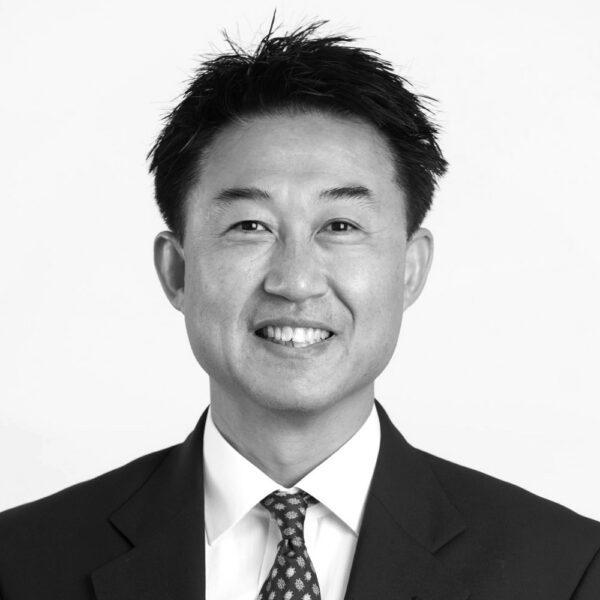
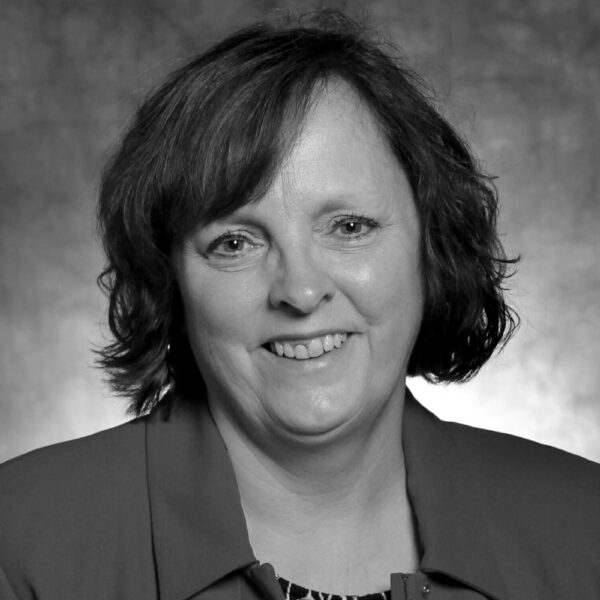
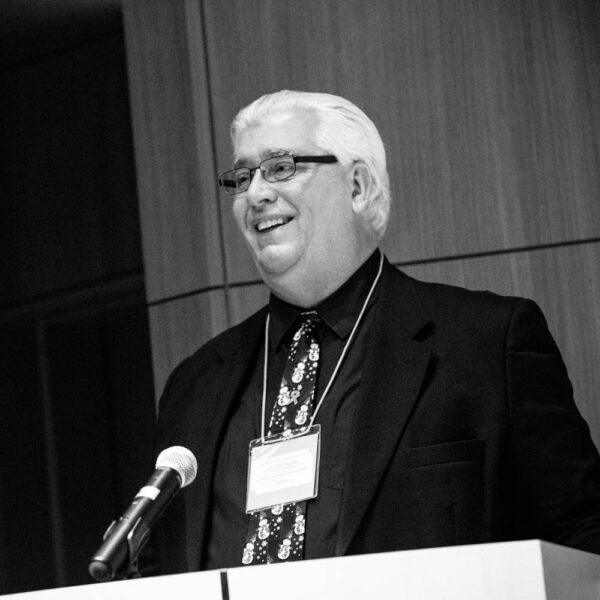
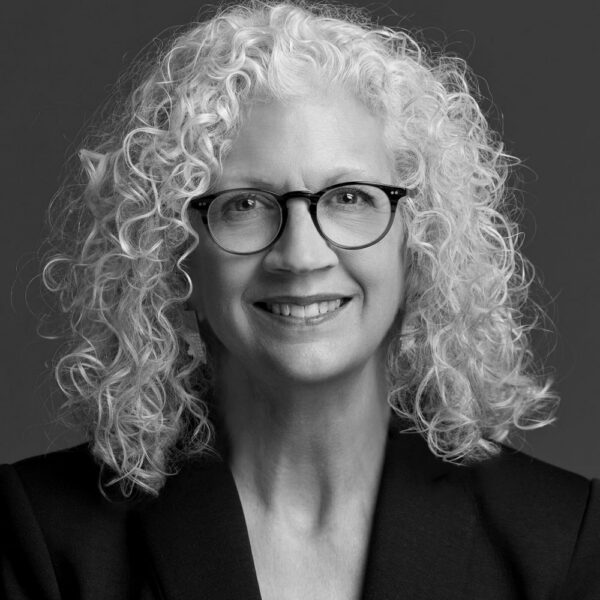
For and on behalf of the IAFOR International Academic Board and the Conference Programme Committees,

Dr Joseph Haldane, Osaka University, Japan & University College London, United Kingdom
Chairman and CEO, IAFOR

Professor Jun Arima, University of Tokyo, Japan
President, IAFOR

Professor Anne Boddington
Executive Vice-President and Provost, IAFOR


Key Information
  • Location & Venue: Walter E. Washington Convention Center, Washington DC & Online
  • Dates: Wednesday, April 15, 2026 ​to Monday, April 20, 2026
  • Early Bird Abstract Submission Deadline: November 07, 2025*
  • Final Abstract Submission Deadline: January 16, 2026
  • Registration Deadline for Presenters: February 20, 2026

*Submit early to take advantage of the discounted registration rates. Learn more about our registration options.

Back to Top


Programme

  • Creating the Democratic Civic University Through Local Engagement in a Time of Crisis
    Creating the Democratic Civic University Through Local Engagement in a Time of Crisis
    Keynote Presentation: Ira Harkavy
  • Beyond Productivity: Why the Future of AI in Education Must Be Human-Centric
    Beyond Productivity: Why the Future of AI in Education Must Be Human-Centric
    Keynote Presentation: James Pitarresi
  • Fostering University and Community Collaboration in Schools: Lessons from the United States
    Fostering University and Community Collaboration in Schools: Lessons from the United States
    Panel Presentation: Naorah Rimkunas, Luann Kida, Cory Bowman, Laura Bronstein
  • Campus, Community, and Citizenship
    Campus, Community, and Citizenship
    Panel Presentation: Caroline Donovan White, Susan Piedmont-Palladino, Anne Boddington
  • From Campus to Community: WAAC’s Urban Model of Engagement
    From Campus to Community: WAAC’s Urban Model of Engagement
    Featured Interview: Susan Piedmont-Palladino, Anne Boddington
  • International Education in a Fragmenting World
    International Education in a Fragmenting World
    The Forum: Benjamin D. Huffman, Melina Neophytou, Apipol Sae-Tung
  • Senior Academic Leadership
    Senior Academic Leadership
    Featured Workshop: Anne Boddington, Joseph Haldane, Donald E. Hall
  • From the Margins to the Mission: Advancing Comprehensive Internationalisation
    From the Margins to the Mission: Advancing Comprehensive Internationalisation
    Panel Presentation: Dale LaFleur, Caroline Donovan White, Jiangyuan (JY) Zhou, Dorothea J. Antonio
  • Preparing a Grant Application: Achieving Gold Standard Science
    Preparing a Grant Application: Achieving Gold Standard Science
    Featured Workshop Session: James W. McNally

Back to Top


Speakers

To be announced

  • Dorothea Antonio
    Dorothea Antonio
    NAFSA: Association of International Educators, United States
  • Julie Baer
    Julie Baer
    Institute of International Education, United States
  • Anne Boddington
    Anne Boddington
    IAFOR, Japan
  • Laura Bronstein
    Laura Bronstein
    Binghamton University, United States
  • Cory Bowman
    Cory Bowman
    University of Pennsylvania, United States
  • Joseph Haldane
    Joseph Haldane
    IAFOR, Japan
  • Donald E. Hall
    Donald E. Hall
    Binghamton University, United States
  • Ira Harkavy
    Ira Harkavy
    University of Pennsylvania, United States
  • Benjamin D. Huffman
    Benjamin D. Huffman
    University of Maryland, United States
  • Luann F. Kida
    Luann F. Kida
    Binghamton University, United States
  • Dale LaFleur
    Dale LaFleur
    NAFSA: Association of International Educators, United States
  • James W. McNally
    James W. McNally
    National Institute of Aging, United States
  • Laura Ogburn
    Laura Ogburn
    University of Pennsylvania, United States
  • Susan Piedmont-Palladino
    Susan Piedmont-Palladino
    Virginia Tech, United States
  • James M Pitarresi
    James M Pitarresi
    Binghamton University, United States
  • Naorah Rimkunas
    Naorah Rimkunas
    Binghamton University, United States
  • Caroline Donovan White
    Caroline Donovan White
    NAFSA: Association of International Educators, United States
  • Jiangyuan (JY) Zhou
    Jiangyuan (JY) Zhou
    James Madison University, United States

Back to Top


Conference Committees

The International Academic Board (IAB)

Professor Anne Boddington, IAFOR, Japan (IAB Chair)
Dr Joseph Haldane, IAFOR & The University of Osaka, Japan, & University College London, United Kingdom
Professor Jun Arima, IAFOR & The University of Tokyo, Japan
Professor Virgil Hawkins, IAFOR Research Centre & The University of Osaka, Japan
Mr Lowell Sheppard, IAFOR & Never Too Late Academy, Japan

Professor Umberto Ansaldo, VinUniversity, Vietnam
Dr Susana Barreto, University of Porto, Portugal
Professor Grant Black, Chuo University, Japan
Dr Evangelia Chrysikou, Bartlett School of Sustainable Construction, University College London, United Kingdom
Professor Donald E. Hall, Binghamton University, United States
Professor Brendan Howe, Ewha Womans University, South Korea & The Asian Political and International Studies Association (APISA)
Dr James W. McNally, University of Michigan, United States & NACDA Program on Aging

Back to Top


Conference Programme Committee

Professor Laura Bronstein, Binghamton University, United States
Dr Thomas G. Endres, University of Northern Colorado, United States
Dr Joseph Haldane, The International Academic Forum (IAFOR), Japan
Professor Donald E. Hall, Binghamton University, United States
Professor Barbara B. Lockee, Virginia Tech, United States
Dr James W. McNally, University of Michigan, United States & NACDA Program on Aging

Back to Top


WCE/WCSS2026 Conference Review Committee

Dr Aileen Diansuy, Antipolo Institute of Technology & Mathematics Teachers Association of the Philippines Tertiary Level, Inc, Philippines
Dr Lorna Dimatatac, Technological Institute of the Philippines, Philippines
Dr Mastano Dzimbiri, Miami University, United States
Dr Aderinsola Kayode, Durban University of Technology, South Africa, South Africa
Dr Can Sakar, Gendarmerie and Coast Guard Academy, Turkey
Dr Karen Joy Umila, Martin County Schools, United States
Dr Emely Amoloza, University of the Philippines Open University, Philippines
Dr Ichraf Aroua, University of Carthage, Tunisia
Dr Ricky Rosales, Polytechnic University of the Philippines, Philippines

Back to Top

Creating the Democratic Civic University Through Local Engagement in a Time of Crisis
Keynote Presentation: Ira Harkavy

Democracy is seriously threatened throughout the world today. Given their intellectual and societal roles, universities have an increased and pressing responsibility to contribute to both the education of informed democratic citizens and the advancement of knowledge for the continuous betterment of the human condition. In spite of important civic and community engagement efforts, universities in the United States have for decades insufficiently focused on their democratic purposes and their contributions to their communities and society. They have overemphasised their economic purposes, amplifying that students are in a university exclusively to gain career-related skills and credentials. Instead, higher education institutions need to become democratic civic universities that advance democracy through democratic means on campus, in the community, and across the wider society.

One difficult hurdle is identifying best practices on how to successfully create and operate a democratic civic university. Dr Harkavy identifies local democratic community engagement as perhaps the core approach for doing just that. Drawing on the history of US higher education, 40 years’ experience developing place-based partnerships between the University of Pennsylvania and its neighbourhood of West Philadelphia, and work with higher educational institutions across the United States and around the world, Dr Harkavy will discuss how local engagement can help universities increase their contributions to knowledge, improve the quality of life in their geographic community, and advance the development of just and fair democratic societies through democratically-focused local civic engagement.

Read presenter's biography
Beyond Productivity: Why the Future of AI in Education Must Be Human-Centric
Keynote Presentation: James Pitarresi

Generative AI has arrived at unusual speed, and the early debate on college campuses has been dominated by two narrow narratives: fear (cheating, plagiarism, and diminished critical thinking) and efficiency gains (faster grading, content creation, and administrative work). This presentation argues that both frames miss a deeper disruption. As parts of knowledge work such as document drafting, synthesis, translation, coding, and analytic writing become widely automated, universities must re-articulate what they uniquely contribute to society. What happens to higher education’s civic mission when producing plausible answers is easy, cheap, and ubiquitous, yet truth, trust, and legitimacy remain fragile?

Drawing on examples from teaching, faculty development, and institutional strategy, this talk offers a human-centric agenda for AI in education that treats AI as a catalyst to strengthen, not erode, the purposes of university learning. Three questions guide the discussion: (1) What forms of thinking and judgment become more important in an AI-shaped knowledge ecosystem? (2) How can we design learning and assessment to cultivate agency, integrity, and deep understanding rather than performative productivity? (3) What leadership choices will shape equity, access, and public trust as AI capabilities diffuse unevenly across institutions and communities?

Read presenter's biography
Fostering University and Community Collaboration in Schools: Lessons from the United States
Panel Presentation: Naorah Rimkunas, Luann Kida, Cory Bowman, Laura Bronstein

This panel explores University-Assisted Community Schools (UACS)—community schools in which higher education serves as a primary partner to bridge the P–20+ continuum and advance student success, family engagement, and community wellbeing, from prenatal development to adulthood. Panellists will discuss how community-engaged scholarship and teaching, problem-solving learning, and ‘communities of experts’ connect university and community knowledge to address locally identified challenges through sustained, collaborative partnerships. The discussion will also focus on practical entry points, offering guidance on how institutions and practitioners can take the first steps toward developing and sustaining UACS initiatives.

Read presenters' biographies
Campus, Community, and Citizenship
Panel Presentation: Caroline Donovan White, Susan Piedmont-Palladino, Anne Boddington

Since the millennium, higher education has seen significant growth and reflection on the role universities play within their immediate communities and regions, the contribution they make to local and regional economies, and how this is achieved and evaluated. In different parts of the world, the justification and rationale for ideas of civic, public, and community engagement vary, from the intrinsic value of contribution as a public good and as an important aspect of learning and citizenship, to those that seek to justify the draw of higher education on the public purse. Justifications have shifted and adapted, aligning to external stimuli. In parallel, innovative approaches to new pedagogies and service learning programmes, their intentional integration, and accreditation within the academic curriculum have been evolving alongside general community service or volunteering.

Closely integrated into the academic community, the majority of these programmes are advanced through teaching underpinned by pedagogic research and an array of infrastructural agencies. International public and community engagement and global concerns tend to achieve their outreach through research collaborations incentivised by a growing interest and incentivisation of translational research and the assessment of impact beyond academia. Particularly in state-funded institutions and as a means to justify government funding for academic research, there is an expectation that research funded by the taxpayer makes a tangible difference and contributes to culture, society, environmental sustainability and national prosperity. The key question for contemporary higher education across the world is how these two strands interrelate and respond to local and national circumstances, while maintaining and enabling international perspectives and experiences.

Panellists will explore the mechanisms and facets of academic and community relationships, nationally and internationally, both within and beyond the campus. These range from strategic approaches to community engagement, to learning spaces and to collaboration that engage and connect local actions with global concerns through the integration of learning and research.

Read presenters' biographies
From Campus to Community: WAAC’s Urban Model of Engagement
Featured Interview: Susan Piedmont-Palladino, Anne Boddington

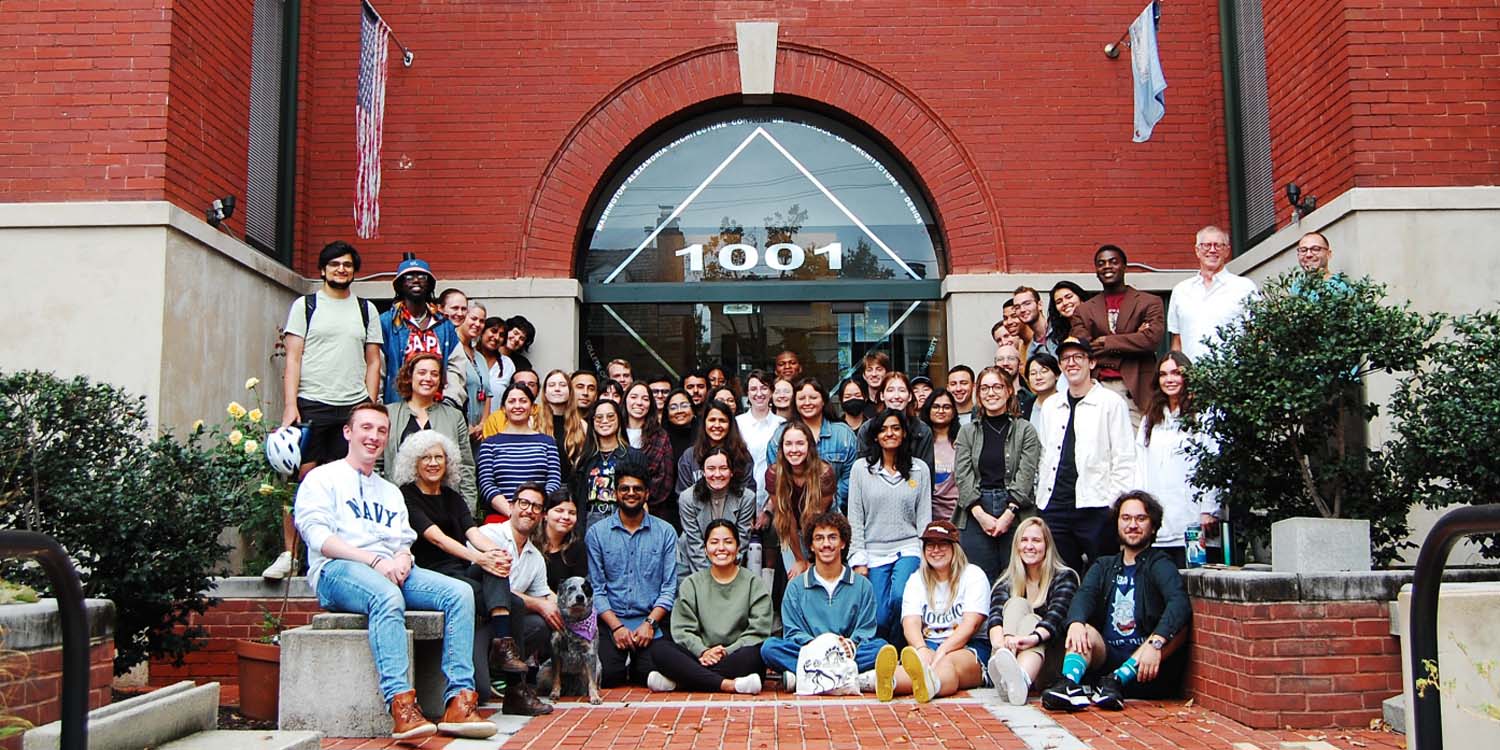
In 1980, the dean of Virginia Tech’s College of Architecture & Urban Studies in Blacksburg, Virginia, launched the Washington Alexandria Architecture Center (WAAC), to give students in Blacksburg a semester or year of urban experience. Now, 45 years later, the WAAC is both a degree-granting and a study-away venue. WAAC’s student body represents a variety of degrees and experiences, including Master of Architecture (M Arch), Master of Science in Architecture (M Sci Arch), with concentrations in Urban Design and History/Theory, PhD, and a rotating cohort of ‘study-away’ undergraduates from our main campus and the National Student Exchange, which opens opportunities for WAAC semesters to 25 member schools with architecture programs, including Historically Black Colleges & Universities (HBCUs) and Minority-Serving Institutions (MSIs).

As a tiny campus in a major metropolitan area, WAAC uses the city as a classroom to engage directly with the problematics of public and private space, spatial equity, sustainability, and resilience. Located in one of the oldest continuously inhabited cities in the US, the centre sits between the competing poles of historic preservation and development. Those tensions are fundamental to the WAAC: it occupies a 110-year-old building, yet no students (except for PhDs) stay longer than 2 years, some as little as a semester. Yet, the WAAC has a persistent and identifiable culture which rests on a foundation of pedagogical principles: each student sets their own path; learning requires doing; we have freedom and responsibility; the city is our classroom; and, finally, place matters. This interview session features the current director of WAAC, who will go into depth about the WAAC’s mission and current activities, as well as answer questions and share practical insights regarding the importance of academic outreach through community engagement.

Read presenters' biographies
International Education in a Fragmenting World
The Forum: Benjamin D. Huffman, Melina Neophytou, Apipol Sae-Tung

Academic collaboration, student mobility, and cross-cultural understanding are at the heart of international education. However, ongoing geopolitical tensions have led to increasing political and societal fragmentation, with some scholars arguing that we are entering a period of ‘globalisation in retreat’. How do we, as educators and researchers, engage in global education and internationalisation efforts within such an increasingly fragmented political environment? How can universities sustain global collaboration and mobility as geopolitical tensions rise and national interests increasingly shape academic exchange?

This Forum session invites delegates to respond to the ideas and provocations raised by the keynote and plenary speakers, to address both the theory and the practice of building personal and institutional relationships and networks across national borders.

Read presenters' biographies
Senior Academic Leadership
Featured Workshop: Anne Boddington, Joseph Haldane, Donald E. Hall

This roundtable and interactive session will explore the career paths of academic leaders and provide tips on the skills needed to succeed in leadership positions. Speaking from a variety of national and professional contexts, the session leaders will describe their individual paths to leadership roles and the trade-offs that often accompany a career in higher education leadership and administration. Following the brief presentations, audience members will be asked to provide their own thoughts and observations on successful and unsuccessful leadership styles, as well as engage in an active discussion of the potential for academic leaders to make positive changes within their institutions and professional organisations.

Read presenters' biographies
From the Margins to the Mission: Advancing Comprehensive Internationalisation
Panel Presentation: Dale LaFleur, Caroline Donovan White, Jiangyuan (JY) Zhou, Dorothea J. Antonio

Comprehensive internationalisation is a strategic approach that aligns global engagement with an institution’s mission, priorities, and core functions. In a rapidly changing global landscape shaped by shifting geopolitics, technological advancement, and evolving patterns of student mobility, higher education institutions must rethink how internationalisation is embedded across teaching, research, and service.

This panel will explore key dimensions of comprehensive internationalisation, including global partnerships, student engagement and success, curriculum internationalisation, and research collaboration. Panellists will share perspectives on how institutions can integrate internationalisation into the core pillars of the higher education enterprise while responding to both internal priorities and external global dynamics. Attendees will gain practical insights and strategies to advance meaningful and sustainable internationalisation.

Read presenters' biographies
Preparing a Grant Application: Achieving Gold Standard Science
Featured Workshop Session: James W. McNally

The ability to write, submit, and administer research grants has become vital to developing an academic career. Funders seek good ideas and innovative approaches that enhance research designs, classroom pedagogies, student and professional growth, and conference development. The wide array of organisations representing potential funders includes federal or governmental awards, foundation or philanthropic awards, and private business awards. The workshop focuses on grant opportunities within the National Institutes of Health, but the tools covered during the workshop can be applied to other funders. Federal funding at NIH consists of grants, cooperative agreements, and contracts. These mechanisms have critical distinctions, often requiring very different deliverables and outcome expectations. The mechanism will also affect the financial oversight of the funds provided to accomplish the project goals.
This workshop will offer training, guidance, and opportunities to discuss grantsmanship as an integral part of the learning process and a critical element of academic advancement. The workshop will review identifying funding opportunities that align with multidisciplinary research interests, interacting with funding agencies, and building funding networks. The workshop will discuss the critical elements for developing a successful grant application and effectively budgeting the requested funds. The workshop will also offer time management tips for meeting deadlines and ensuring applicants have crossed all ‘t's’ and dotted all ‘i's’. While the rules, expectations, and procedures for grant applications will vary internationally, organisationally, and internally, the basics of grantsmanship all share commonalities regarding significance, innovation, and approach. Understanding and mastering these skills will enhance and expand an applicant's capacities as an instructor, mentor, and researcher.

Read presenter's biography
Dorothea Antonio
NAFSA: Association of International Educators, United States

Biography

Dorothea Antonio serves as NAFSA’s Deputy Executive Director for Knowledge Development, leading NAFSA’s contribution to thought leadership and providing executive oversight on internationalisation, global partnerships, academic affairs, publications, and conference programming. Her career experience spans higher education, international training and development, leadership, ESL, and business development around the world. In her role at NAFSA, Ms Antonio has been instrumental in the development of NAFSA’s thought leadership and programming related to comprehensive internationalisation. She supports the responsibility of international higher education to contribute to sustainable development and social justice, and led the development of Social Justice and International Education: Research, Practice, and Perspectives (2020), and Global Goals, Global Education: Advancing the United Nations Sustainable Development Goals (2024). She has degrees from George Washington University and the University of Albany, United States, and studied at the Iberoamericana University in Mexico and SIT Graduate Institute, United States.


Panel Presentation (2026) | From the Margins to the Mission: Advancing Comprehensive Internationalization
Julie Baer
Institute of International Education, United States

Biography

Julie Baer is the Deputy Director of Research, Evaluation & Learning (REL) at the Institute of International Education (IIE), United States. With more than a decade of experience at IIE, she oversees research initiatives and leads collaborations with IIE programmes and external clients, including the AIFS Foundation, the Center for Strategic and International Studies, and the US Department of State.

Ms Baer’s research focuses on historical trends in international education and academic mobility. Ms Baer leads the Open Doors Report on International Educational Exchange, a comprehensive resource on international students and scholars in the United States and American students studying abroad. Ms Baer regularly participates in panel discussions and contributes to reports, blogs, book chapters, and scholarly articles, many of which are featured on IIE’s research webpage.

She holds a Master of Education in International Education Policy from the Harvard Graduate School of Education and a Bachelor of Science in Financial Economics from Centre College, United States.


Panel Presentation (2026) | Campus, Community, and Citizenship
Anne Boddington
IAFOR, Japan

Biography

Professor Anne Boddington is Executive Vice-President and Provost of IAFOR, and oversees the academic programs, research and policies of the forum.

Anne Boddington is Professor Emerita of Design Innovation and has held executive and senior leadership roles in Higher Education including as Dean of Arts & Humanities at the University of Brighton, Pro Vice Chancellor for Research, Business & Innovation at Kingston and Pro Vice Chancellor for Research and Knowledge Exchange at Middlesex University.

In 2022 she concluded chairing the Sub Panel (32) for Art & Design: History, Practice & Theory as part of the Research Excellence Framework (REF2021) and has extensive experience in the governance and conduct of peer review, research evaluation and assessment in REF2014 (Sub Panel Deputy Chair and Equality Diversity Advisory Panel [EDAP]) and RAE2008. A former member of AHRC’s Advisory Board, she is the current Chair of the Advisory Board for the UKRI’s National Interdisciplinary Circular Economy Research (NICER) programme (£30M), Deputy Chair and a Trustee of the Design Council, the government’s strategic advisor for design, and a member of both the InnoHK Scientific Committee (Hong Kong) and the Hong Kong Council for Accreditation of Academic and Vocational Qualifications (HKCAAVQ).

Since the 1990’s Anne has worked across the UK and internationally with a wide range of quality assurance, professional, statutory, and regulatory bodies in the UK, Europe, the Middle East, Hong Kong, and India.

As an independent consultant she now works as a strategic advisor and mentor and is committed to promoting equity, diversity, and inclusion in practice, developing effective governance, supporting career development, reducing bureaucracy, and improving organisational design, integrity, and productivity in the changing workplace.


Workshop Presentation (2026) | Senior Academic Leadership
Laura Bronstein
Binghamton University, United States

Biography

Professor Laura R. Bronstein, ACSW, LCSWR, is Dean of the College of Community and Public Affairs, SUNY Distinguished Professor of Social Work, and Founding Director of the Couper-Owens Center for Community Schools at Binghamton University, United States. Since entering academia in 1999, Professor Bronstein has published over seventy peer-reviewed research articles and chapters, two books, and been the leader of teams awarded over twenty million USD in grants. She has an international reputation for her research on collaboration, including having created the widely used Index for Interdisciplinary Collaboration. In 2010, her article, A Model for Interdisciplinary Collaboration, was the eighth most highly cited publication of the decade in the social work literature. In 2011, Professor Bronstein received the John A. Hartford Foundation’s Outstanding Dean for Aging Education award. In 2012, she was Binghamton University’s inaugural recipient of the Lois B. DeFleur Faculty Prize for Academic Excellence ‘for scholarship that spans boundaries’. In 2017, she was awarded the Esther W. Couper Memorial Award for ‘outstanding service and dedication to the children and families of our community’. Most recently, Professor Bronstein has built the Couper-Owens Center for Community Schools into an internationally renowned entity, and is currently leading its adaptation across SUNY’s 64 campuses and beyond. She has been cited among the top 2% of scholars in her field in the world in the Stanford World Scientist and University Rankings (2023, 2024).


Panel Presentation (2026) | Fostering University and Community Collaboration in Schools: Lessons from the US
Panel Presentation (2026) | Campus, Community, and Citizenship
Cory Bowman
University of Pennsylvania, United States

Biography

Cory Bowman has been working for The University of Pennsylvania’s Netter Center for Community Partnerships since its inception in 1992, and its predecessor, the Penn Program for Public Service, since 1991.

Mr Bowman helps direct the Netter Center’s core activities, including developing local academic partnerships with schools, non-profits, and communities of faith. Central among these activities are Academically Based Community Service (ABCS) courses and other forms of community-engaged scholarship in which service is integrated with research, teaching, and learning, and academic expertise is brought together with community expertise. Through collaborative problem-solving, this work is designed to improve the quality of life and learning in the community, and the quality of learning and scholarship in the university. It is also designed to help students become active, creative, contributing citizens of a democratic society.

Mr Bowman helps lead the development of University-Assisted Community Schools (UACS) in the university’s local community of West Philadelphia. UACS focus on schools as core institutions for community engagement and democratic development; school day and after-school curricula are linked to solving community-identified, real-world, local problems.

Mr Bowman runs the Netter Center’s local and national UACS adaptation and replication programme, including serving as director of the UACS National Network as well as the UACS Regional Training Centers programme.


Panel Presentation (2026) | Fostering University and Community Collaboration in Schools: Lessons from the US
Joseph Haldane
IAFOR, Japan

Biography

Joseph Haldane is the Founder, Chairman, and CEO of IAFOR. He is responsible for devising strategy, setting policies, forging institutional partnerships, implementing projects, and overseeing the organisation’s global business and academic operations.

Dr Haldane has a PhD from the University of London in 19th century French Studies (ULIP/RHUL), and has research interests in world history, politics, and education, as well as governance and decision-making.

In 2022, Dr Haldane was named Professor in the United Nations Peace University's European Center for Peace and Development (ECPD). From 2019 he has been also a Visiting Professor at Doshisha University, where he teaches Ethics and Governance in the Global MBA, and a Member of the World Economic Forum’s Expert Network for Global Governance since 2017.

Since 2015, he has been a Guest Professor at The Osaka School of International Public Policy (OSIPP) at The University of Osaka, having taught on the postgraduate Global Governance Course, and has been Co-Director of the OSIPP-IAFOR Research Centre, an interdisciplinary research centre situated within the university, since 2017. He is also a Member of the International Advisory Council of the Department of Educational Foundations at the University of Hawaiʻi Mānoa, United States.

From 2020 to 2025, Dr Haldane was an Honorary Professor of University College London (UCL), through the Bartlett School of Sustainable Construction. Earlier in his career, he held full-time faculty positions at the Université Paris-Est Créteil, Sciences Po Paris, and Nagoya University of Commerce and Business, as well as visiting positions at the French Press Institute in the Université Paris-Panthéon-Assas and the Schools of Journalism of Sciences Po Paris and Moscow State University.

Professor Haldane has given invited lectures and presentations at universities and conferences globally, including at the United Nations headquarters in New York, and advised universities, NGOs, and governments on issues relating to international education policy, public-private partnerships, and multi-stakeholder forums. He was the project lead on the 2019 Kansai Resilience Forum, held by the Japanese Government through the Prime Minister’s Office, and oversaw the 2021 Ministry of Foreign Affairs commissioned study on Infectious Diseases on Cruise Ships.

From 2012 to 2014, Dr Haldane was Treasurer of the Chubu chapter of the American Chamber of Commerce Japan, and since 2015 has been a Trustee of HOPE International Development Agency Japan. He was elected Fellow of the Royal Asiatic Society in 2012 and the Royal Society of Arts in 2015. He lives in Japan and holds a black belt in Judo.

Donald E. Hall
Binghamton University, United States

Biography

Donald E. Hall is Provost and Executive Vice President for Academic Affairs at Binghamton University (SUNY), United States. He was formerly Dean of the Faculty of Arts, Sciences, and Engineering at the University of Rochester, United States, and held a previous position as Dean of Arts and Sciences at Lehigh University, United States. Provost Hall has published widely in the fields of British Studies, Gender Theory, Cultural Studies, and Professional Studies. Over the course of his career, he served as Jackson Distinguished Professor of English and Chair of the Department of English (and previously Chair of the Department of Foreign Languages) at West Virginia University. Before that, he was Professor of English and Chair of the Department of English at California State University, Northridge, where he taught for 13 years. He is a recipient of the University Distinguished Teaching Award at CSUN, was a visiting professor at the National University of Rwanda, was Lansdowne Distinguished Visiting Scholar at the University of Victoria (Canada), was Fulbright Distinguished Chair in Cultural Studies at Karl Franzens University in Graz, Austria, and was Fulbright Specialist at the University of Helsinki. He has also taught in Sweden, Romania, Hungary, and China. He served on numerous panels and committees for the Modern Language Association (MLA), including the Task Force on Evaluating Scholarship for Tenure and Promotion, and the Convention Program Committee. In 2012, he served as national President of the Association of Departments of English. From 2013-2017, he served on the Executive Council of the MLA.

His current and forthcoming work examines issues such as professional responsibility and academic community-building, the dialogics of social change and activist intellectualism, and the Victorian (and our continuing) interest in the deployment of instrumental agency over our social, vocational, and sexual selves. Among his many books and editions are the influential faculty development guides, The Academic Self and The Academic Community, both published by Ohio State University Press. Subjectivity and Reading Sexualities: Hermeneutic Theory and the Future of Queer Studies were both published by Routledge Press. Most recently he and Annamarie Jagose, of the University of Auckland, co-edited a volume titled The Routledge Queer Studies Reader. Though he is a full-time administrator, he continues to lecture worldwide on the value of a liberal arts education and the need for nurturing global competencies in students and interdisciplinary dialogue in and beyond the classroom.

Professor Donald E. Hall is a member of IAFOR’s International Academic Board.

Featured Roundtable Session (2026) | Senior Academic Leadership
Ira Harkavy
University of Pennsylvania, United States

Biography

Professor Ira Harkavy is the founder and Barbara and Edward Netter Director of the Netter Center for Community Partnerships at the University of Pennsylvania, United States. As director of the Netter Center since 1992, Professor Harkavy has helped develop academically-based community service courses and community-engaged research projects that involve creating university-community partnerships and university-assisted community schools with The University of Pennsylvania’s local community of West Philadelphia. He teaches courses in history, urban studies, and Africana studies, as well as in the university’s Graduate School of Education.

Professor Harkavy received his BA, MA, and PhD in History from the University of Pennsylvania and has written and lectured widely on the history and current practice of urban university-community-school partnerships and the democratic and civic missions of higher education. He has co-authored and co-edited thirteen books, including Higher Education Leadership for Democracy, Sustainability, and Social Justice (2023), Higher Education’s Response to the COVID-19 Pandemic: Building a More Sustainable and Democratic Future (2021), and Academic Freedom, Institutional Autonomy, and the Future of Democracy (2020). He is also Executive Editor of Universities and Community Schools.

Professor Harkavy is involved in a number of education initiatives, currently serving as the Chair of the International Consortium for Higher Education, Civic Responsibility, and Democracy; Chair of the Anchor Institutions Task Force; Chair of the Paul Robeson House and Museum, and Chair Emeritus of the Coalition for Community Schools. He is founder and member of the Philadelphia Higher Education Network for Neighborhood Development (PHENND) Steering Committee.

Among other honours, Harkavy is the recipient of the University of Pennsylvania’s Alumni Award of Merit, Campus Compact’s Thomas Ehrlich Faculty Award for Service Learning, New American Colleges and Universities’ Ernest L. Boyer Award, a Fulbright Senior Specialist Grant, and three honorary degrees. Under his directorship, the Netter Center for Community Partnerships received the inaugural William T. Grant Foundation Youth Development Prize awarded by The National Academies and a Best Practices/Outstanding Achievement Award from HUD’s Office of Policy Development and Research.


Keynote Presentation (2026) | Creating the Democratic Civic University Through Local Engagement in a Time of Crisis
Benjamin D. Huffman
University of Maryland, United States

Biography

Dr Benjamin D. Huffman is an Assistant Clinical Professor within the First-Year Innovation & Research Experience (FIRE) programme under the Office of Undergraduate Research at the University of Maryland, United States. Dr Huffman joined the University of Maryland in 2020 after graduating from Nagoya University with a PhD in Governance & Law. Previously, Dr Huffman worked as a research assistant for the United Nations Centre for Regional Development (UNCRD), as a consultant for the World Bank, and as an IT administrator in local government. He now leads the research stream Global Development & Design, part of the Social Science Cluster of FIRE. His stream focuses on topics related to global and human development as well as system design. Dr Huffman also works as an adjunct professor for QUEST Honors, a selective honors programme at the University of Maryland that brings together the top undergraduates in business, engineering, and science to complete team-based, experiential projects.


The Forum (2026) | International Education in a Fragmenting World
Luann F. Kida
Binghamton University, United States

Biography

Luann F. Kida, MA, LMSW, is the Senior Director of Capacity Building and Implementation for the Couper-Owens Center for Community Schools at Binghamton University, United States. Ms Kida is a social worker with more than 20 years of experience working in education. In her current role, she leads a dedicated team as they provide consultation and support to school leaders, out-of-school providers, and institutions of higher education serving as thought partners in exploring and implementing a university-assisted community schools approach. The implementation arm of her role supports connections with higher education for a strategic approach to developing and sustaining mutually beneficial partnerships that link higher education to PK-12 education. Her family engagement experience supports partners as they build multi-tiered systems designed to engage families as educational partners.


Panel Presentation (2026) | Fostering University and Community Collaboration in Schools: Lessons from the US
Dale LaFleur
NAFSA: Association of International Educators, United States

Biography

Dr Dale LaFleur is the Senior Director of Academic Affairs and Internationalization at NAFSA: Association of International Educators, United States. In this role, she leads the association’s strategies to support global learning and higher education internationalisation by producing, planning, and delivering programmes, publications, and services in collaboration with the knowledge communities for International Education Leadership and Teaching, Learning, and Scholarship. She received her PhD in Higher Education from the University of Arizona, United States, and served as a part-time faculty in the International Education Leadership master’s programme at Northern Arizona University, United States.


Panel Presentation (2026) | From the Margins to the Mission: Advancing Comprehensive Internationalization
James W. McNally
National Institute of Aging, United States

Biography

Dr James W. McNally is a social and behavioral science administrator programme officer in the Office of Data Resources and Analytics (ODRA) for the Behavioral Science and Research Office of the National Institute of Aging at the National Institute of Health, United States. Dr McNally was formerly the director of the National Archive of Computerized Data on Aging (NACDA), which maintains an NIA-funded data archive located at the University of Michigan, United States. Originally trained in forensic anthropology at the University of Maryland, followed by a master’s degree in formal demography at Georgetown University, Dr McNally later trained in social gerontology at Brown University, where he earned his doctoral degree from the Population Training and Studies Center. He completed a postdoctoral degree at Syracuse University’s Center for Policy Research, where he worked on policy applications using blended ageing data. His research career has focused on data quality and management and the safe distribution of health information and clinical data to support health research. At BSR/ODRA, Dr McNally leverages his extensive expertise to facilitate data management and sharing initiatives.


Workshop Presentation (2026) | Preparing a Grant Application: Achieving Gold Standard Science
Laura Ogburn
University of Pennsylvania, United States

Biography

Dr Laura Ogburn is the Director of Community Engaged Scholarship at the University of Pennsylvania's Netter Center for Community Partnerships, United States. Prior to receiving her PhD in Education from the University of Pennsylvania Graduate School of Education, she taught kindergarten and pre-kindergarten in Philadelphia and Atlanta. Her research interests include youth-adult collaboration, the politics of expertise and knowledge production, and participatory methodologies.


Panel Presentation (2026) | Fostering University and Community Collaboration in Schools: Lessons from the US
Susan Piedmont-Palladino
Virginia Tech, United States

Biography

Professor Susan Piedmont-Palladino is an architect, professor of architecture, and the director of the Washington-Alexandria Architecture Center (WAAC), the urban extension of the College of Architecture, Arts, and Design at Virginia Tech, United States. A graduate of Virginia Tech and the College of William and Mary, she has lectured on urbanism, sustainability, and communications to public, professional, and academic audiences across the United States, Europe, and Latin America. Since 2003, she has been a consulting curator at the National Building Museum and the author of several books, including companion books for exhibitions and initiatives she curated, such as Tools of the Imagination: Drawing Tools and Technologies from the Eighteenth Century to the Present (2007), Green Community (2009), Intelligent Cities (2011), and Timber City (2017). She served as co-curator for ‘Justice is Beauty: The Work of MASS Design Group’ in 2019. Her latest book, How Drawings Work: A User-Friendly Theory, published by Routledge in 2019, takes a fresh and unconventional look at the languages of graphic communications. Her current research focuses on how American public spaces are shaped and re-shaped by our shifting values of openness and security.


Panel Presentation (2026) | TBA
James M Pitarresi
Binghamton University, United States

Biography

Dr James M. Pitarresi serves as Vice Provost for Online and Innovative Education at Binghamton University (SUNY), United States, and as Executive Director of the university’s Center for Learning and Teaching. He works across campus to strengthen the learning environment by advancing high-quality online degrees, supporting faculty development, and promoting thoughtful integration of learning technologies. He co-chairs the university’s Learning Environment Committee and recently co-chaired planning for a new 30-classroom academic building. A Distinguished Teaching Professor of Mechanical Engineering and former department chair, he founded Binghamton’s Innovation Lab and Innovation Scholars programme and teaches courses in innovation and entrepreneurship that leverage generative AI as a partner for creative problem solving. He regularly delivers talks and workshops on generative AI in education for higher education, school districts, and professional audiences. His scholarship spans computational mechanics, vibration modeling, electronics packaging, and student success. He is co-author of three mechanical engineering texts, with a fourth in progress, and serves on McGraw Hill Education’s Access Engineering Faculty Advisory Board. He earned his BS, MS, and PhD from the State University of New York at Buffalo, United States, and is a recipient of the SUNY Chancellor’s Award for Excellence in Teaching.


Keynote Presentation (2026) | Beyond Productivity: Why the Future of AI in Education Must Be Human-Centric
Naorah Rimkunas
Binghamton University, United States

Biography

Dr Naorah Rimkunas is Assistant Professor of Community Schools in the College of Community and Public Affairs at Binghamton University, United States. Her scholarship and teaching centre on university–school partnerships that advance student learning, youth development, and community well-being. She serves as Associate Director of Binghamton University's Couper-Owens Center for Community Schools and of the University-Assisted Community Schools (UACS) National Network at the University of Pennsylvania's Netter Center for Community Partnerships. Dr Rimkunas has cultivated faculty partnerships from across the university with local community schools, building a growing network of K–12 educators who connect their classrooms to leading community-engaged scholars. She is the principal investigator on two federally funded school mental health professional development initiatives serving Broome and Tioga counties in New York state, and has provided technical assistance and evaluation for several organisations, including the US Department of Education and the National Science Foundation. She holds a master's degree in clinical mental health counseling and a doctorate in community and public affairs.


Panel Presentation (2026) | Fostering University and Community Collaboration in Schools: Lessons from the US
Caroline Donovan White
NAFSA: Association of International Educators, United States

Biography

Caroline Donovan White is the Senior Director for Education Abroad Services and Volunteer Engagement at NAFSA: Association of International Educators. She provides strategic leadership for professional training and services focused on education abroad and oversees member engagement and volunteer recognition programmes. With over 30 years of experience in international education, Ms Donovan White brings expertise in managing complex programmes and fostering partnerships.

Before joining NAFSA in 2012, she spent 13 years at The George Washington University, United States, where she managed study abroad programmes, international exchanges, partnerships, distance learning, and summer institutes. From 2004 to 2014, Ms Donovan White was a professorial lecturer at The George Washington University’s Graduate School of Education and Human Development, teaching courses on managing international programs. Her early career includes work with the Institute of International Education (IIE) and Delphi International.

Caroline is known for her engaging insights that blend practical experience with strategic vision and for her ability to connect with professionals at all levels, empowering them to advance the field of international education.


Panel Presentation (2026) | From the Margins to the Mission: Advancing Comprehensive Internationalization
Jiangyuan (JY) Zhou
James Madison University, United States

Biography

Dr Jiangyuan (JY) Zhou, EdD, is the Associate Provost for International Initiatives and Executive Director, Center for Global Engagement at James Madison University, United States. Her work focuses on internationalisation, faculty empowerment, global learning, and assessment. Dr Zhou keeps an active research agenda on a new theoretical framework to define and assess comprehensive internationalisation as dynamic systems. She teaches global learning courses and designs curricular and co-curricular projects to integrate and enhance the roles of technology, languages and cultures, service-learning, and collaborative teaching into global learning initiatives. Dr Zhou holds a PhD in Educational Theory and Practices from Binghamton University, United States, and currently serves as the chair of the NAFSA 2026 annual conference committee.


Panel Presentation (2026) | From the Margins to the Mission: Advancing Comprehensive Internationalization